A weekly podcast with Emerson Eggerichs, Ph.D.
Read about Marriage, Parenting and Christian Life
Short video questions and answers with Emerson
Curated content on a variety of topics
Browse all Love & Respect books, studies, and gifts
Couple and Small Group series for your home or church
Love & Respect and many more by Emerson Eggerichs, Ph.D.
A few things you might enjoy or gift to someone else
Learn a little about Love & Respect
Join or host a live Love & Respect event.
Support us and impact others through your generous donation.
Reach out with any questions you have!
Browse through and read hundreds of articles on the topic of marriage
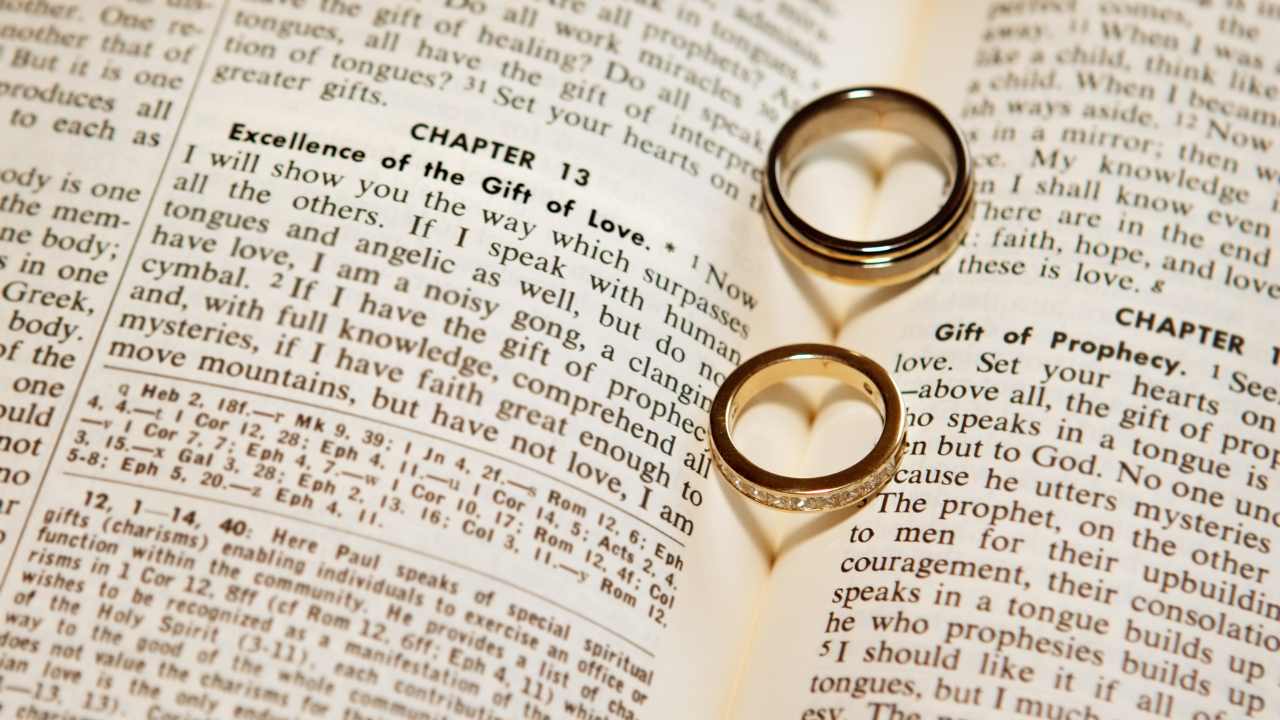
A husband has a need to be respected by his wife. That is what Paul teaches in Ephesians 5:33. As well, a wife has a need to be honored (respected) by her husband.
The love and respect connection is real—make no mistake. When I was reading Ephesians 5 one day in 1998, after having studied and taught from this chapter many times in my twenty years of preaching, God revealed this connection to me and it blew me away.
People who think culturally, not biblically oftentimes stumble over the idea of unconditional respect.
"My wife and I have been really struggling with our communication and our relationship; feels like we are two ships sailing in the night, which concerns me. I know I am responsible for what comes out of my mouth, which reveals what is in my heart. I have been trying to take responsibility for that and ask for forgiveness."
“Emerson, my husband is not as open and emotionally available as he should be. As a result, I don’t feel as close to him as I would like, and I even wonder if he trusts me.”
In my book Love & Respect, I wrote, "I sometimes get the question, ‘You say women need love and men need respect. Isn’t the opposite just as true? Don’t gals need respect and guys need love?’ My answer is, of course, women need respect and guys need love" (page 47).
A wife who wrote to me recognized that her husband’s suggestion to do something in a different way was rooted in his goodwill. As a result, she sought to apply a respectful demeanor in response to his suggestion, which motivated him to be more loving. Great news, right?
Some folks say, “I will love you as long as I feel love for you,” or “I will respect you as long as I feel respect for you, and I certainly won’t respect you if you have not earned it." But we need to step back for a moment.
Two women in the Bible represent the desire to find a man who is a self-reliant provider. We read in Ruth 3:1: “One day Ruth's mother-in-law Naomi said to her, 'My daughter, I must find a home for you, where you will be well provided for.'” Although this narrative is centuries old and reflects traditional views of men as providers and women as those provided for, do such sentiments still exist today?
Articles, Podcasts, Ask Emerson on a concept or theme