




Marriage

Episode
278

Favorite
How Do I Deal with the Feeling That When I Apologize, My Spouse Will Use That Against Me?
44


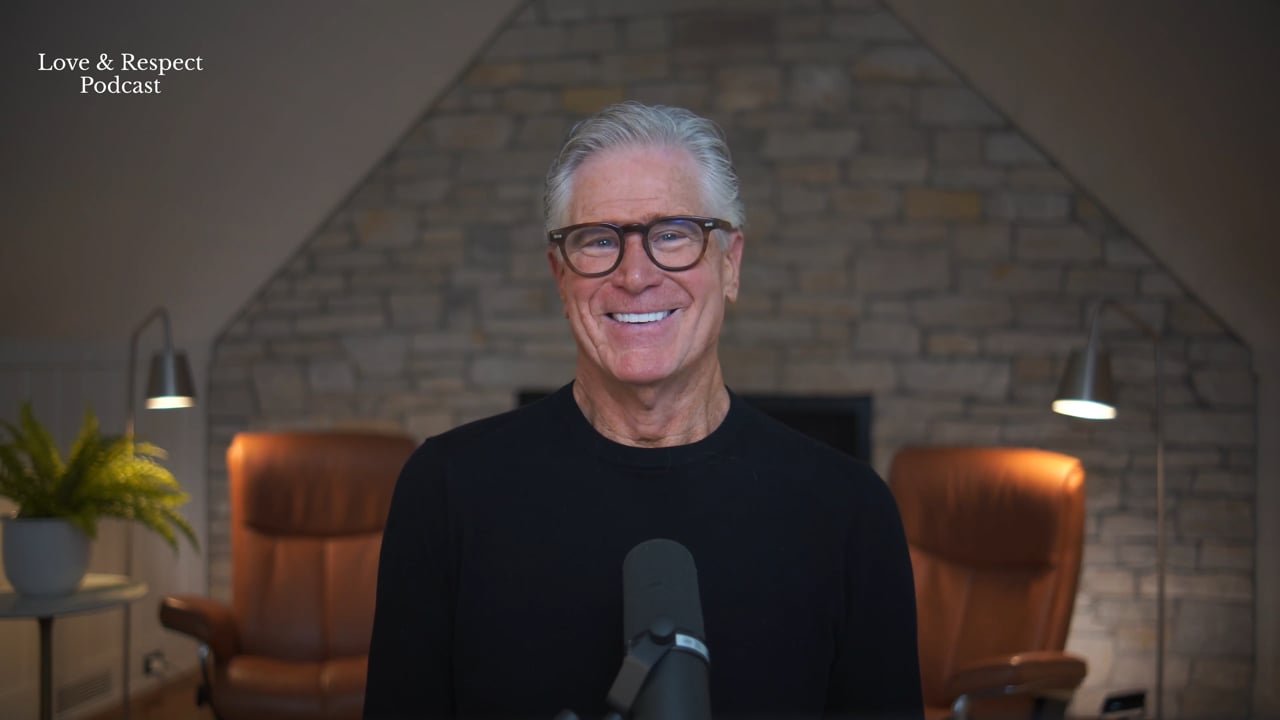
Many of us know we were wrong but hold back the apology, afraid our spouse will turn it into proof that everything is our fault. Through four everyday scenes (forgotten groceries, a mocked vacation idea, a missed dinner, and two days of punishing silence), Emerson shows how to own exactly what belongs to you, ask “Will you forgive me?”, and still keep a legitimate concern on the table. For any husband or wife who finds “I was wrong” harder to say than it should be.


Emerson Eggerichs, Ph.D.
Author, Speaker, Pastor
Questions to Consider
- When you know you were wrong, what most often keeps you from saying so: fear of how it will be used, pride, embarrassment, or lingering anger? What does that tell you about what is happening inside you?
- Think of a recent conflict. What is the specific part that belongs to you, and what part does not? How could you own the first without taking on the second?
- Emerson encourages asking “Will you forgive me?” rather than only saying “I’m sorry.” Why might that question change the conversation in your marriage?
- Is there an apology you have been holding back because you are afraid it would mean giving up a legitimate concern? How could you offer the apology first and return to the concern separately?


